
Foundations Sealed Against Coastal Humidity
Crawl Space Encapsulation in Charleston for homes losing conditioned air and accumulating moisture through unprotected foundations
First Class Crawlspace Solutions provides complete crawl space encapsulation in Charleston, addressing the specific moisture conditions that the Lowcountry coastal climate creates beneath older housing stock. Homes in West Ashley and downtown Charleston sit in one of the most humidity-saturated environments on the East Coast, where an unprotected crawl space functions less like a foundation void and more like a sponge drawing moisture upward into structural framing. The visible signs—sagging floors, musty odors, elevated energy bills—are downstream effects of a foundation environment that encapsulation directly addresses.
Encapsulation at First Class Crawlspace Solutions is not a single-material installation. The process involves vapor barrier placement across floors and walls, dehumidifier integration calibrated to the space volume, and drainage management designed to handle groundwater movement common in low-elevation coastal lots. Before any encapsulation material goes down, licensed technicians assess the existing structure—rotted framing, compromised subfloor, or failed footings get repaired first, because sealing a damaged crawl space only traps the problem rather than resolving it.
Schedule an on-site foundation assessment to determine exactly which components your crawl space requires before encapsulation begins.
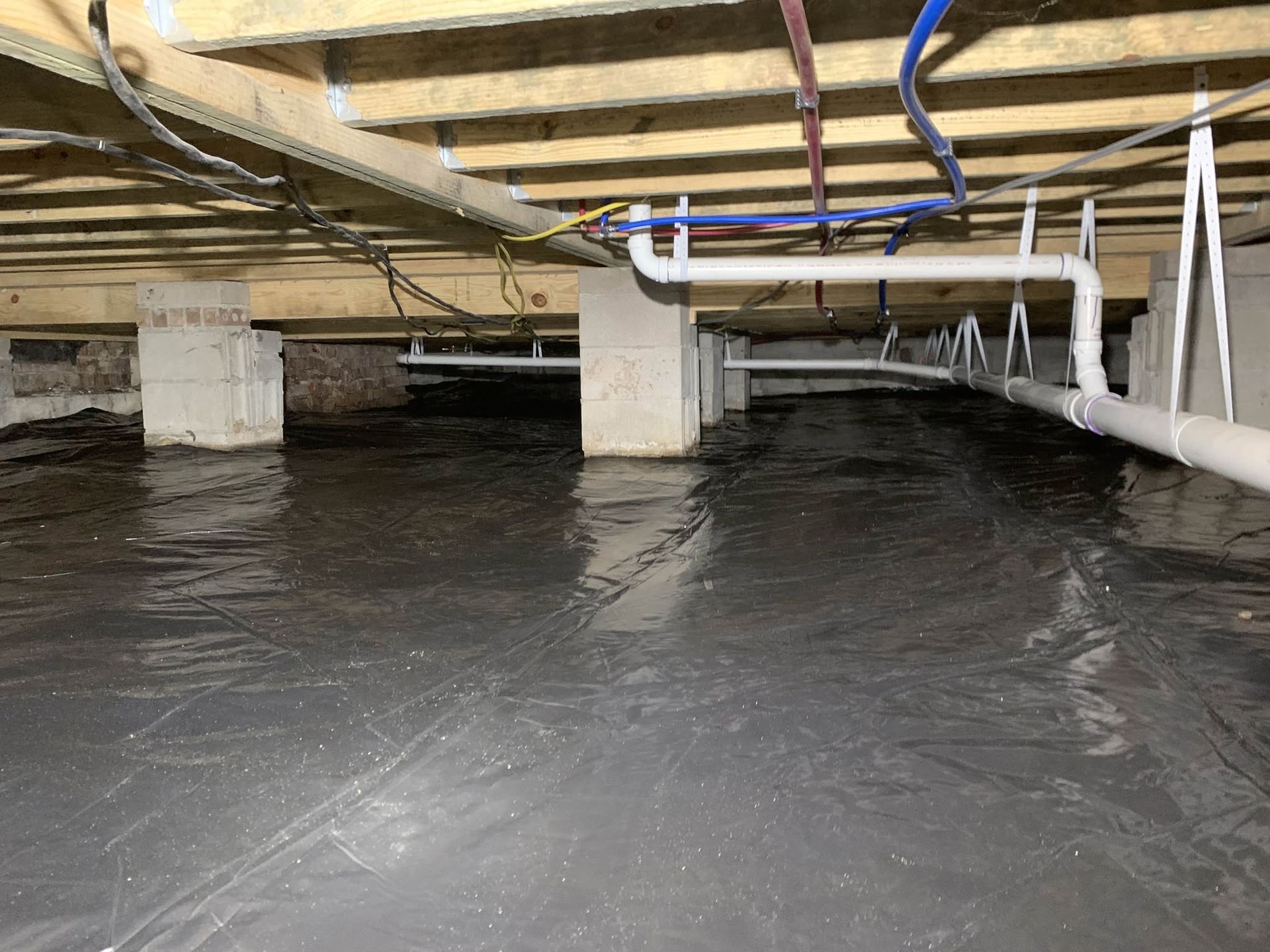
What a Complete Encapsulation System Actually Involves
Installation typically runs three to five days depending on crawl space dimensions and the extent of any pre-existing structural work required. The vapor barrier selection matters significantly in this climate—barrier thickness and seam-sealing method determine whether the system holds under the pressure cycling that seasonal humidity swings create in coastal South Carolina. Dehumidifier placement is calculated based on cubic footage and natural airflow patterns within the space, not dropped in arbitrarily.
After encapsulation is complete, you'll notice the crawl space door no longer emits the damp, heavy air that previously moved into the living area. Floors above the treated space stop flexing where moisture-damaged joists had softened, and energy consumption typically stabilizes as conditioned air stops migrating through gaps that the unprotected foundation allowed. These are mechanical outcomes of the system functioning as designed, not incidental benefits.
Encapsulation also creates the baseline condition required for other systems—pest control, HVAC efficiency, and long-term structural maintenance all perform better once the moisture variable is removed from the crawl space environment. First Class Crawlspace Solutions completes structural framing, flooring restoration, and foundation repairs in-house before encapsulation, which eliminates the coordination gap that occurs when contractors hand off between trades..
Common Questions About Crawl Space Encapsulation
Property owners in Charleston frequently ask similar questions before committing to encapsulation, particularly around process sequencing and what the system actually addresses versus what it doesn't.
What happens if the crawl space has existing rot before encapsulation?
Rotted framing or subfloor materials must be replaced before vapor barriers are installed—encapsulating over damaged wood seals in decay and accelerates hidden deterioration rather than stopping it.
How does Charleston's climate specifically affect encapsulation decisions?
The Lowcountry's combination of high ambient humidity, low lot elevation, and clay-heavy soils means groundwater pressure against foundation perimeters is persistent, making drainage integration a standard component rather than an optional add-on.
Why does a dehumidifier need to be part of the system?
A vapor barrier slows moisture entry but does not eliminate the humidity already present in the air volume of the crawl space—a dehumidifier actively removes that moisture load and maintains the encapsulated environment.
What maintenance does an encapsulated crawl space require?
Annual inspection of the vapor barrier seams, dehumidifier drain lines, and any drainage components confirms the system remains intact, particularly after heavy rainfall seasons.
How do I know if my crawl space needs encapsulation versus just sealing?
If moisture is entering through the foundation walls rather than rising from soil, or if structural damage is already present, full encapsulation with drainage is the appropriate response—sealing alone addresses surface-level entry points but not active water movement.
First Class Crawlspace Solutions carries a consistent backlog of encapsulation projects, which reflects both demand in the Charleston market and the detail-level that full encapsulation work requires. Contact the office directly at (843) 471-0920 to place your property on the inspection schedule and receive a scope of work specific to your foundation conditions.